After Paver Sealing: What Care Instructions Should You Keep?
Keep product details, treated areas and care instructions after paver sealing. Plan future cleaning, document changes and know what to send your contractor.
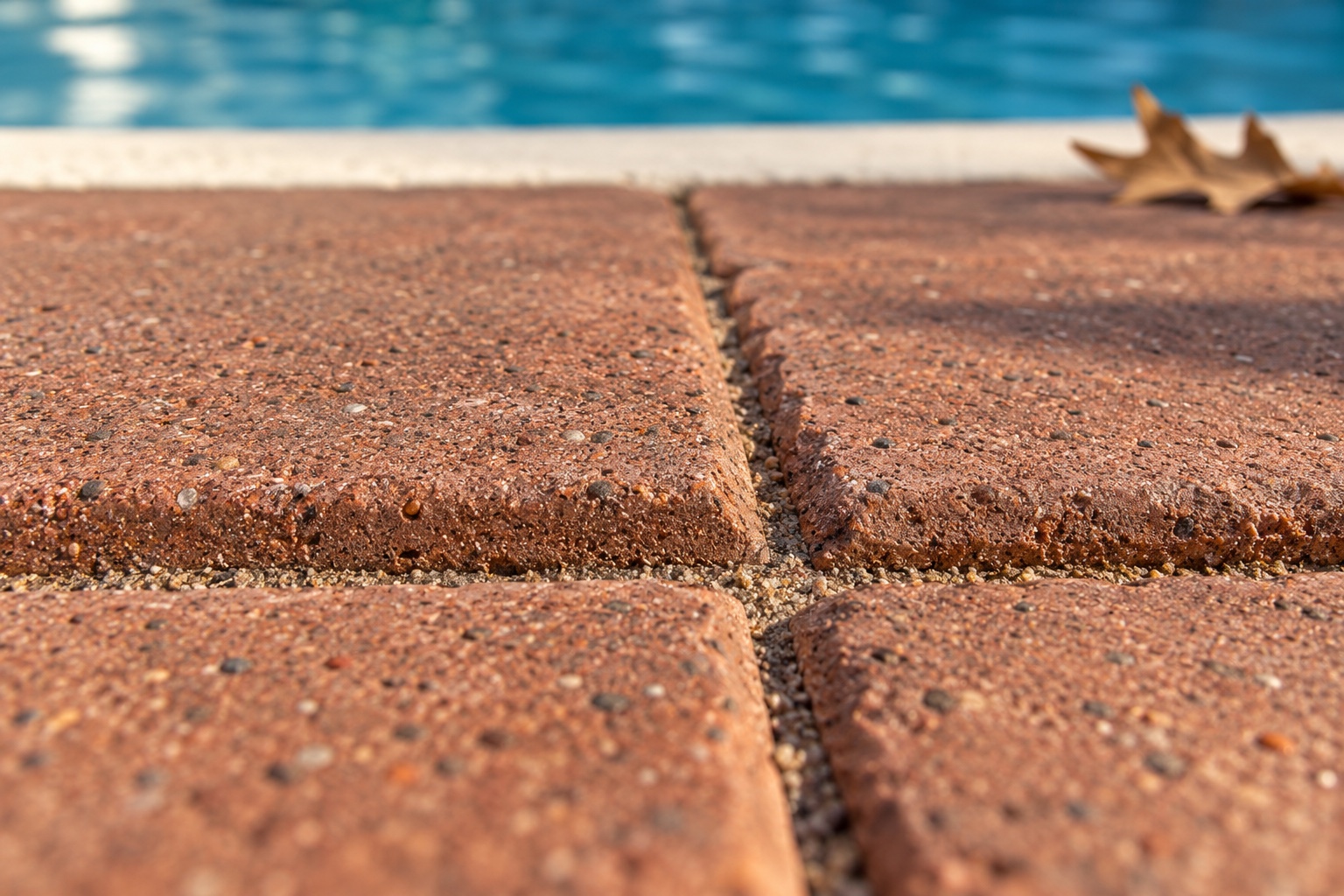
AI illustration of concrete paver surface observation, not a completed project or an installation detail.
After paver sealing, keep a handover file identifying the product used, the areas treated, the application date, the applicable care instructions and the contact for questions. Include site photos and any remaining restrictions. Ask what you will receive before approving the work, then check the completed record against the actual treatment. Future cleaning, furniture use and stain response should follow the instructions for your surface and product, with unclear situations referred back for assessment.
For homeowners arranging paver cleaning and sealing in Boynton Beach, the handover belongs in the service discussion. Agree who will provide it, how it will arrive and who will answer care questions after the crew leaves.
Set the handover expectation before approving work
Ask the contractor to describe the proposed handover while you are reviewing the scope. A promise to explain maintenance later leaves you unable to judge what information will accompany the finished service.
Your file should answer these questions:
- Product: What exact product was applied, including the variant or finish? Which documents describe its ongoing care?
- Treated area: Which named surfaces received treatment? Where do treated areas end, and what was excluded?
- Application date: When was each area treated? Does the final record reflect any change from the planned work?
- Maintenance instructions: What guidance covers subsequent cleaning, furniture use, spills and requests for further assessment?
- Contact: Who should receive a care question, and what information should accompany it?
Keep proposed details distinct from the final record. If a product or work area changes, ask for the handover to be updated. An early estimate should not remain your only account of what was applied.
Keep the instructions you can actually use
CMHA’s Cleaning, Sealing and Joint Sand Stabilization of Interlocking Concrete Pavement recommends products intended for concrete pavers and careful adherence to label directions and warnings. Its guidance concerns concrete; it should not be transferred to porcelain. Product identification is therefore essential to a useful care file.
Save the supplied instructions as readable files or paper copies, alongside any contractor clarification. A product name alone is less useful when someone needs to decide how to clean a spill. Keep the relevant care document accessible to the person who will maintain the area, rather than buried among unrelated renovation emails.
Ask the contractor to identify which document answers which question. A product brochure, an invoice and a maintenance sheet serve different purposes. If verbal advice appears to conflict with the supplied written guidance, request clarification in writing before acting on it.
Give each surface its own identity
A written installation scope in our records for a Boynton Beach property describes porcelain pool deck and coping replacement, with existing pavers reused in a separate front walkway. This is an installation-scope example, not a sealing case study. It does not establish that either area received a sealing treatment.
The useful lesson is the separation of materials and locations. A future care file for such a property should identify the front walkway independently from the pool surroundings. An instruction attached only to the property address could leave a housekeeper or returning contractor unsure which surface it covers.
Use location names that everyone recognizes. Match those names to overview photos, and mark treatment boundaries on copies of the photos if needed. Preserve the originals alongside the marked copies.
Request a consultation through our paver cleaning and sealing service with photos of the areas you want maintained and the care information you expect to receive. Use that discussion to review the proposed work and ask for the product record, surface boundaries and maintenance handover to be identified before you approve it.
Pass the care plan to the people using the space
Keep the contractor’s guidance for subsequent cleaning together: the permitted methods, any stated restrictions and the contact for an unfamiliar situation. Before a returning cleaning contractor proposes a different treatment, give them that information for review. Do not substitute a general pressure setting or cleaning mixture for the instructions supplied for the actual surface and product.
Furniture use deserves a clear entry too. Ask what precautions apply when moving or placing furniture, and keep any continuing restrictions visible. If the household later changes the furniture or adds a heavy planter, send the installer the proposed location and use for clarification rather than assuming the original advice answers the new situation.
The separate guide to using a driveway after paver sealing addresses initial access. Keep any release or restriction from that stage in your file; this ongoing care record should remain useful after normal household use resumes.
For a Palm Beach County home with recurring landscape or pool-service visits, give those providers the relevant contractor instructions before their next visit. Identify the treated area and any specified access restrictions. Share the same information with household members. If a provider changes, pass along the current instructions rather than relying on what the previous person knew.
Make stain questions easy to assess
Ask at handover what to do when a spill occurs and whom to contact if the supplied instructions do not address it. Keep that response guidance where it can be found quickly. A household member should not need to search old messages to find the installer while deciding what action is appropriate.
When requesting a spot assessment, describe what you know: the location, when you first noticed the mark and any spill or activity you actually witnessed. If the cause is unknown, say so. Include what has already been done to the area, with the name of any cleaning product used.
Send an overview that locates the concern and a close view that shows it. Add the treatment record so the recipient can connect the question to the correct surface. Ask what action is appropriate and whether the contractor needs to inspect it before you attempt further treatment.
Record changes without prescribing the repair
CMHA’s Operation and Maintenance Guide for Interlocking Concrete Pavement recommends inspections and provides a record template. It distinguishes visual concerns from distress affecting structural performance. That distinction matters when describing a change: appearance alone does not identify the work needed.
Keep dated site photos and brief maintenance observations together. Record new spots, loose joint material or movement for assessment. Note the location and what changed, without assigning a cause.
For each maintenance visit, note who attended, what they reported doing and any follow-up instructions. Save later correspondence beside the original handover, so a new photograph is not separated from the response it received. An unresolved question should remain easy to find until you have an answer.
Do not apply more sealer simply because the surface looks different. Our guide to water beading and paver resealing addresses one misleading symptom. Here, the useful next step is to connect an observation with the treatment record and request an assessment, rather than turning your photo log into an automatic recoating schedule.
Separate care instructions from written coverage
A handover should not be read as a warranty promise. If you receive a separate written warranty or service agreement, retain its actual terms: who provides it, what it covers, its exclusions and the procedure for raising a concern. Do not add assumptions about free visits, stain removal or future treatments.
Keep those terms with the invoice and care contact. When a question arises, ask whether the proposed response falls within an existing agreement or requires separately approved work.
For paver cleaning and sealing in Boynton Beach, request a consultation with your surface photos, available product records and maintenance questions. Ask for a review of the relevant areas and a written scope identifying the work, the care information to be handed over and the contact for later assessment. Those answers give your household a practical starting point for ongoing care.