Water Beading on Pavers: Does It Mean You Need Resealing?
Water droplets alone cannot tell you whether pavers need resealing. Identify the surface and old product, compare observations, and clarify the proposed work.
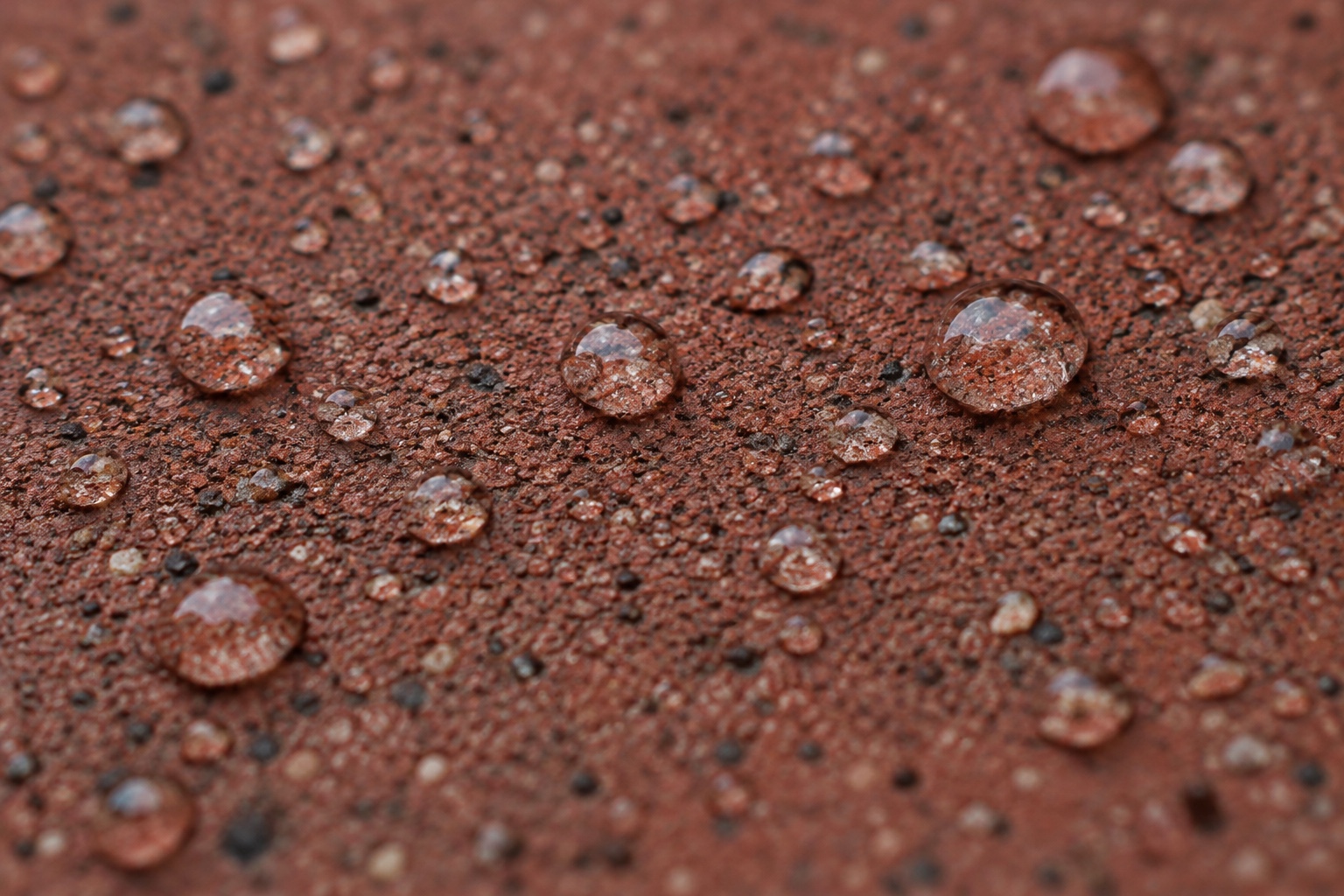
AI-generated illustration, not actual project or diagnostic evidence.
Water beading on pavers does not, by itself, mean you need resealing. Droplets are one observation to interpret against the specific surface and product instructions. They cannot establish the old coating’s identity, age or overall condition. Water soaking in is not automatic permission to apply another coat, either. Before buying a treatment, identify the material and previous product, examine the surface after ordinary cleaning under dry conditions, and clarify compatibility, preparation and repair needs.
For homeowners considering paver cleaning and sealing in Palm Beach Gardens, those questions help define the work before a maintenance quote becomes an order for another coat.
Decide what you want the treatment to address
A photograph of round beads invites a simple verdict: protected or unprotected. Your purchase decision needs more information. Are you trying to address a stain, change the appearance, maintain a known treatment or investigate an unfamiliar surface? Write down the problem you want solved before discussing products.
Treat the water observation as a location-specific note. One close-up cannot describe an entire driveway, establish what was applied years ago or explain why another section looks different. It also cannot demonstrate slip resistance or waterproofing. If someone recommends resealing solely from a droplet photo, ask what evidence connects that observation to the proposed product and work.
A product instruction can change the answer
Techniseal’s Natural Look (iN) Protector technical data sheet, updated December 12, 2022, gives a specific example. Its concrete-paver directions restrict application to bare material or material previously treated with that product. Recoating must wait until water repellency is gone, with a minimum two-year interval. Its absorption check says not to apply this product if water is repelled; absorption leads to further instructions, not unconditional approval. It also requires a small hidden-area test. The separate stone directions limit use to porous, unpolished natural stone and call for consulting the stone manufacturer.
These are instructions for one named product, not a recommendation to buy it or a statement that we use it. They do not establish a resealing calendar for other products.
Name the surface and recover its history
Start with the installation invoice, supplier information or material label. If records are missing, describe the material as unconfirmed and ask the contractor to identify it. Do not choose the concrete instructions simply because the surface consists of rectangular units.
One Boynton Beach pool-deck maintenance scope in our records identifies natural stone for cleaning and sealing. That is a scope record, not a water-drop test or evidence of a final product or outcome. Its useful lesson is the material description: a homeowner should establish which instructions apply before considering a treatment.
Look separately for the old sealer’s exact name and any record of later applications. Keep an invoice or label photograph with the approximate history you actually know. Distinguish documented dates from recollections. A description such as clear sealer leaves an important question unanswered; record the product as unknown rather than filling that gap with a guess.
Compare observations on a clean, dry surface
Use ordinary cleaning appropriate to the identified material and its existing treatment. Avoid introducing an unfamiliar cleaner just to investigate beading. Once the surface is dry, record its appearance before considering any water observation. This is information gathering, not a substitute for the selected product’s preparation or readiness checks.
Take an overview that locates each area and close-ups that show the concern. Include a typical section, a visibly different section and any area with a known repair history. Record what happened before the photograph, such as routine washing, rain or irrigation. Comparing a freshly wet patch with a dry one leaves too much unexplained.
If the identified product’s instructions call for an absorption check, follow those instructions or ask the installer to perform and interpret it. Bead size or an improvised stopwatch rule should not decide whether you buy another coat. Photograph the observation without naming its cause.
| What you observe | What to clarify before authorizing work |
|---|---|
| Water beads in the area observed | How does the identified product interpret repellency, and what else needs inspection? |
| Water appears to soak in | What preparation and compatibility requirements remain unresolved? |
| Behavior differs between areas | Do the areas share the same material, treatment history and surface condition? |
To turn these notes into a proposed scope, request a consultation through our paver cleaning and sealing service. Share the photos and available product records. Ask for a review of the surface, any unresolved identification questions, and the preparation or further assessment proposed before you approve treatment.
Separate surface treatment from repairs
CMHA’s Cleaning, Sealing and Joint Sand Stabilization of Interlocking Concrete Pavement describes different sealer types and directs readers to manufacturers or suppliers about suitability. It places stain treatment and overall cleaning before sealing and calls for inspecting cracked or broken units. Its distinction between sealers and joint sand stabilizers also matters: their functions can overlap, but they are not interchangeable labels for the same work.
For your proposal, ask for separate answers about the paver faces, the joints and any areas needing repair. A single line saying reseal everything does not tell you whether a rocking unit, missing joint material or a persistently troublesome corner has been considered. Mark those locations on your overview photo so they remain part of the discussion.
Our guide to paver cleaning versus repair in Palm Beach Gardens helps organize those scope questions when the concern extends beyond surface treatment. Keep the water observation attached to the relevant location rather than using it to decide every task on the property.
Make the proposal answer the missing questions
Before comparing totals, look for a proposal that identifies the included areas and explains why the recommended treatment suits them. The following questions keep the discussion concrete:
- Material and history: Which surface and old product have been identified, and which details remain unknown?
- Compatibility: What supports applying the proposed product to this existing surface, and what additional checks are needed?
- Preparation and readiness: What must be done before treatment, and how will the contractor determine that the selected product’s requirements are met?
- Repairs and joints: Which locations need separate work, and is that work included or awaiting approval?
- Changes to the scope: If the assessment raises a new issue, what will be explained and priced before you authorize further work?
These answers let you compare the work behind the price. Ask whether assessment, any proposed trial, preparation and additional repairs are included, excluded or conditional. An unresolved product identity should stay visible in the proposal until there is an agreed way to address it.
Appearance is a separate decision. If you also want a different color emphasis or sheen, our guide to approving a paver sealer finish test covers that review. A pleasing finish sample does not answer whether the existing surface is ready for recoating.
Agree on the next step before buying another coat
Keep the proposal, product information and location photographs together. If the recommendation is to wait, ask what observation or assessment should trigger another review. If treatment is proposed, ask how the remaining questions will be resolved before application. A calendar reminder or a photograph of beads can prompt a review, but neither settles the treatment decision.
Request a paver cleaning and sealing consultation in Palm Beach Gardens with your surface description, photos and treatment history. Use the consultation to review the relevant areas and ask for a written scope covering preparation, compatibility, readiness and any repairs. Approve the treatment once those answers support it, rather than buying another coat because of droplets alone.