Efflorescence on Pavers: Why the White Haze Appears (South Florida Guide)
That white haze on new pavers is efflorescence, not a defect. A South Florida installer explains the chemistry, why premium colored pavers show it most, and what to do and never do.
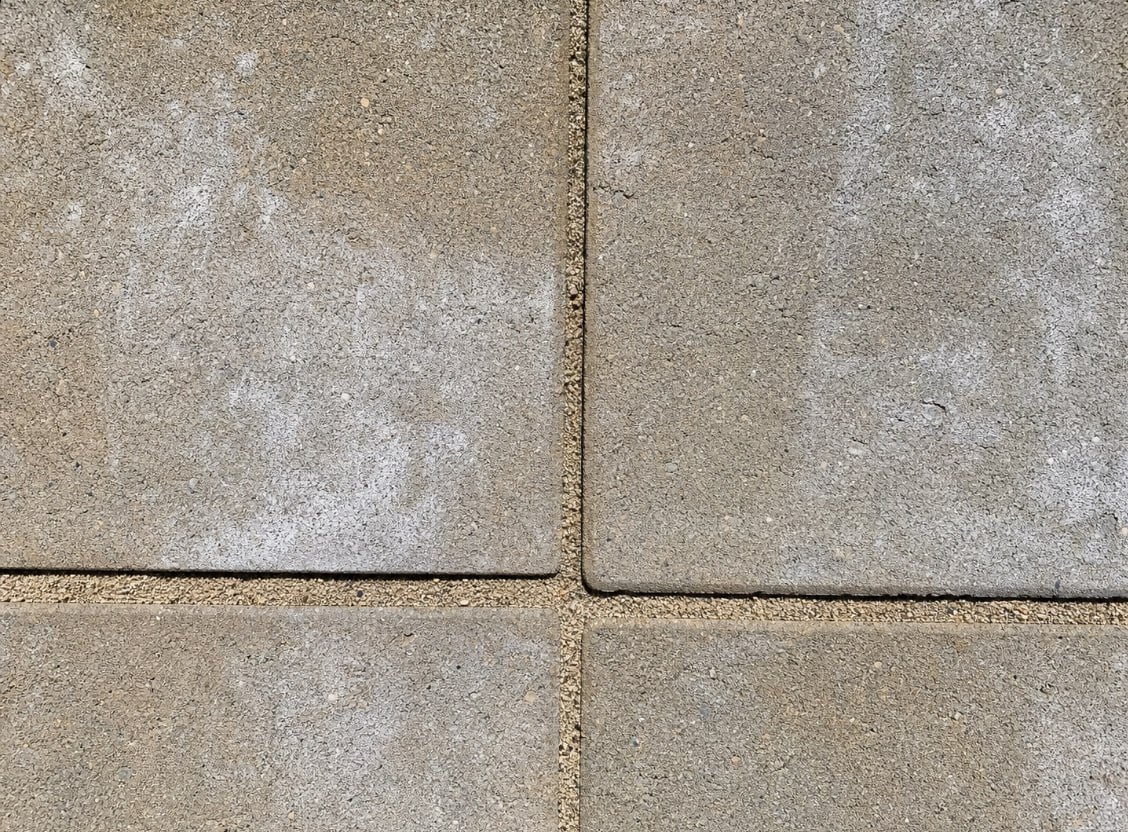
A few weeks after a beautiful new paver driveway is laid, a pale, chalky film sometimes drifts across the surface, most visible on the richest, darkest stones. To a homeowner who just invested in a premium hardscape, it can look like the job went wrong. It did not. That white haze is efflorescence on pavers, one of the most common and most misunderstood things a new concrete paver can do, and in almost every case it is temporary, cosmetic, and entirely normal. This guide explains what it is, why South Florida makes it more likely, and, most importantly, what not to do in a panic.
What that white haze actually is
Efflorescence is a natural salt deposit, not a defect in the product and not a mistake in the installation. Every concrete paver is made with portland cement, and the industry’s own standards body, the Concrete Masonry and Hardscapes Association (formerly ICPI), treats efflorescence as a known, manageable surface condition on segmental pavers rather than a failure. Paver manufacturers say the same thing in plainer terms: it is a natural reaction that occurs in cement-based products, essentially a cosmetic issue rather than structural damage.
In other words, the haze is a sign of real concrete curing on your surface, not a sign of cheap material. If anything, it tends to announce itself most loudly on exactly the high-end pavers homeowners choose precisely because they look flawless.
The chemistry, briefly and elegantly
The mechanism is simple once you see it. As cement-chemistry authorities such as the Euclid Chemical technical bulletin on efflorescence explain, when cement hydrates it produces calcium hydroxide, a form of lime, inside the paver. Water moving through the tiny capillaries of the concrete carries that lime up to the surface. There it meets carbon dioxide in the air and reacts to form calcium carbonate, an insoluble white powder. That white powder is what you see.
Two details matter for your peace of mind. First, it takes almost nothing to notice: cement-chemistry sources note that a very small amount of calcium carbonate per square yard is enough to shift how a surface looks, which is why a whisper of deposit can read as a dramatic haze. Second, the reaction is self-limiting. The soluble salts inside a paver are finite. As independent technical references such as PavingExpert describe, once those salts are depleted and normal weather, rain, sun, and traffic, wears and washes the deposit away, the efflorescence fades. The chemistry that creates the haze is also, given time, the chemistry that clears it.
Why efflorescence on pavers shows up in South Florida
Efflorescence needs three things: cement, salts, and moisture moving through the paver. South Florida supplies the moisture in abundance. Our intense sun, high humidity, frequent heavy rain, coastal salt air, and constant irrigation are exactly the moisture-driven conditions that pull lime to the surface and keep the cycle running. The same climate that makes outdoor living here so good is, chemically, an efflorescence-friendly one.
Then there is contrast. Efflorescence is white, so it shows far more on darker and integrally colored pavers simply because the pale deposit stands out against a rich background. Cement-chemistry sources point this out directly: the effect is most noticeable on the colored, decorative surfaces where homeowners have paid more for a premium look. The unfortunate irony is that the more beautiful and saturated your paver color, the more visible a perfectly normal haze becomes. It is not a coincidence that the finest driveways seem to show it most.
On timing, the technical sources are consistent but honest: efflorescence typically appears within the first several weeks after installation and usually fades on its own over a period best measured in months. No responsible installer or manufacturer can promise an exact clearing date, because it depends on your specific climate, moisture exposure, and paver. The dependable message is the reassuring one: weeks to appear, often months to fade.
What to do, and what never to do
Here the single most important advice is about restraint. The instinct to attack a hazy new driveway with strong acid and a pressure washer is the one mistake that can turn a temporary cosmetic phase into a permanent problem.
Do:
-
Wait and observe first. Because efflorescence usually clears on its own, patience is often the entire treatment.
-
For fresh, early haze, a stiff brush and plenty of clean water, with thorough rinsing, is frequently enough while the salts are still soluble.
-
If cleaning is needed, use a dedicated efflorescence cleaner made for pavers, applied exactly as directed.
-
Rinse completely and remove standing water, so dissolved salts do not simply redeposit and start the haze over.
Don’t:
-
Do not reach for muriatic or other strong acid as a first move. Cement-chemistry and independent technical sources agree that acid is a last resort: used carelessly it can etch the surface, react with the color pigments to cause alarming discoloration, and by opening the surface capillaries actually worsen or restart the efflorescence.
-
Do not sandblast or use harsh abrasive methods, which can etch and weaken the paver face.
-
Do not panic and assume the installation failed. It did not.
If acid ever is used on established, stubborn deposits, it belongs only in careful, heavily diluted hands with a small test area first, which is precisely the kind of judgment call a professional should make rather than a homeowner experimenting on a new investment.
When to seal, and why timing is everything
Sealing is the right long-term move, but only after efflorescence has run its course. Seal too early and the penetrating film can trap moisture and migrating salts beneath the surface, which makes the problem worse, not better. The correct sequence, echoed across the technical sources, is to let the haze dissipate, clean the surface properly, and then apply a penetrating sealer. Manufacturers and installers commonly advise waiting a meaningful window, on the order of a couple of months at minimum, before cleaning and sealing new pavers for this reason.
Done in that order, a penetrating sealer helps slow future moisture migration and salt deposition, which is exactly the protection a hardscape wants in our humid, salt-touched climate. This is the natural moment to bring in a professional clean and seal service, so the cleaning and sealing are timed and matched to your specific pavers rather than rushed.
Protecting the investment
A premium paver driveway or pool deck is meant to look intentional for years, and efflorescence is simply an early, temporary chapter in that story rather than a flaw in it. The discerning move is the calm one: understand the chemistry, resist the urge to acid-wash a new surface in alarm, let the salts run their course, and then clean and seal correctly on the right timeline. For a deeper look at how these surfaces perform in our climate, our guide on pavers versus concrete in South Florida is a good next read.
If a new installation of ours is showing haze, or you are simply unsure what you are looking at, see finished projects in our portfolio or contact us and we will walk you through exactly where your pavers are in the process, and what, if anything, to do next.